Moats in the age of AI: what truly compounds?
Let’s face it .. in today’s AI-first world , your moat isn’t built with stone. It’s barely a puddle if you’re relying solely on tech.
I came across Vikram Aditya‘s blog post and I was trying to map it with my little domain of user facing businesses.
So , the age-old question .. “what’s your moat?” .. now feels like a checkbox.
We all put the slide in. We all say “data network effects” , “proprietary models” , “AI-powered engin.” etc. but deep down , we know : anyone with decent capital and access to open models can build 80% of what we built.
So then… what really compounds?
We believe it’s three things:
– How well you know your user.
– How tightly you’re embedded in their flow.
– How deeply you’re trusted to deliver .. again and again.
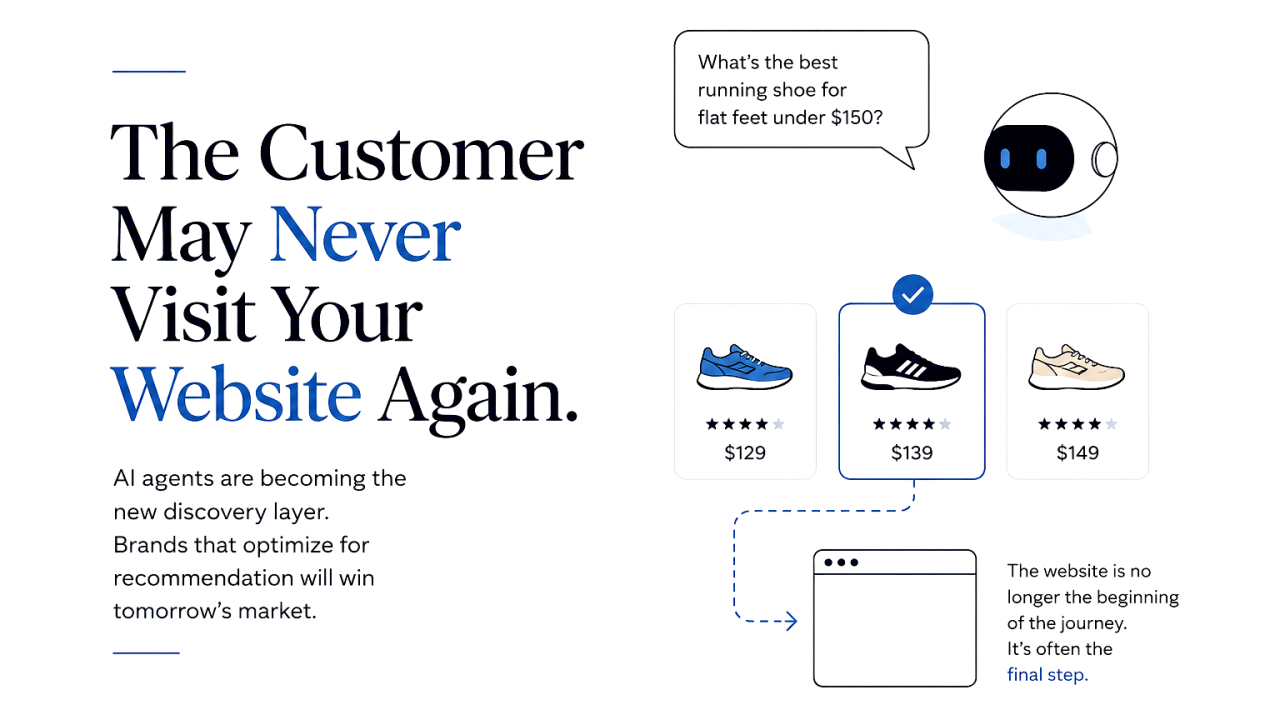
Let’s take an e-commerce brand using AI to recommend products.
Everyone’s using GPT or LLaMA under the hood. The difference comes when you understand why a customer didn’t click. When your engine remembers their preferences from a year ago. When your product gently nudges them – with just the right thing and at the right time.
You can’t build that overnight. You can’t fork that memory. You can’t clone that conviction.
At mPrompto , we’ve built our AI powered co-pilot not as a black-box overlay but as a relationship builder. We compound intent signals , nudges and micro-decisions into trust. Not everyone sees that as a moat. But our clients do.
You don’t need an “unforkable” AI engine. What you need is compounding truth:
– real use
– real decisions
– real impact
Moats in the AI age are about motion and not walls or walled gardens.
The convoy’s moving. We’re building with conviction. And yes , the moat slide is still there. But our real moat?
It’s being written by the users themselves as we speak !!
Until next time , happy working !!
Author – Sumit Rajwade, Co-founder: mPrompto