“Anything is fine” is the most expensive lie in e-commerce.
Just the other day, after finishing a game of paddle ball with friends, we ended up in that familiar scenario: everyone was hungry, but nobody wanted to be the first to pick a place to eat.
We didn’t lack options. We had too many. Everyone was waiting for someone else to decide. Classic 𝐁𝐲𝐬𝐭𝐚𝐧𝐝𝐞𝐫 𝐄𝐟𝐟𝐞𝐜𝐭.
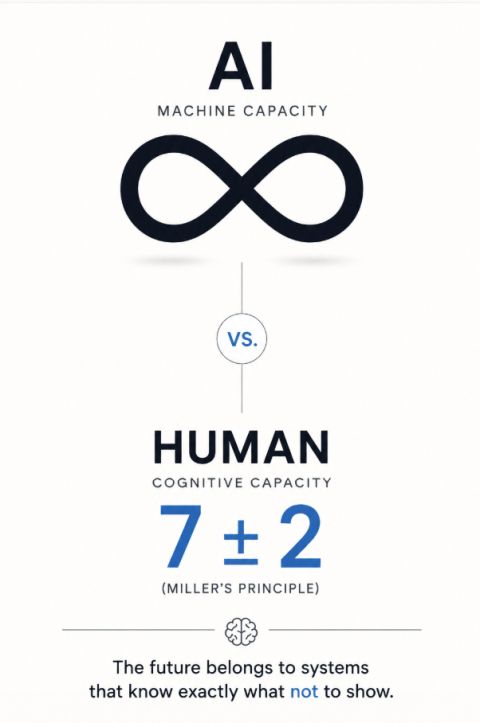
When someone finally spoke up, we drowned in suggestions. Lebanese? Italian? Burgers? Salads..naah. That’s when 𝐃𝐞𝐜𝐢𝐬𝐢𝐨𝐧 𝐅𝐚𝐭𝐢𝐠𝐮𝐞 set in. We almost just went home.
This exact mix of Bystander Effect and Decision Fatigue plays out millions of times a day online.
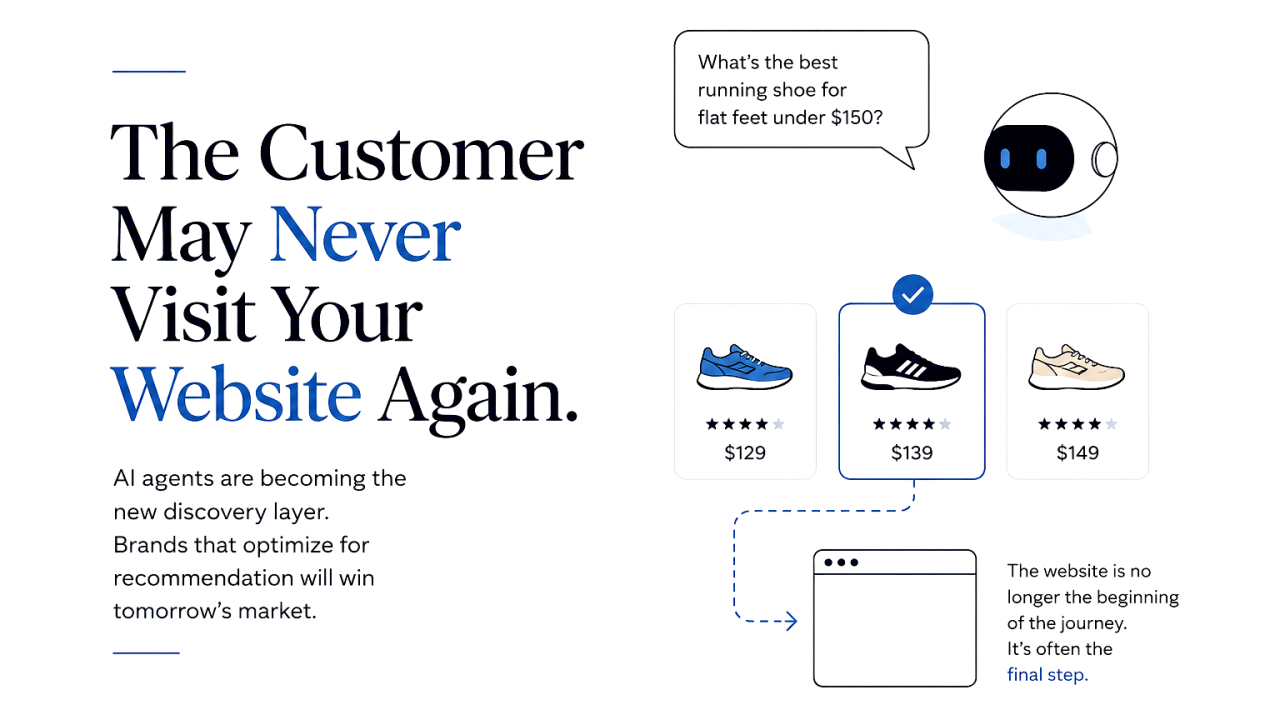
A customer searches for “washing machine.” Like most of us, they start broad. They’re shown 1,000 plus SKUs. At that point, they’re no longer shopping they’re struggling to decide.
Buying a washing machine looks simple, until you’re suddenly comparing load types, drum sizes, RPMs, inverter motors, energy ratings, and layers of customer and expert reviews.
Most brands respond with more filters or “better” search. But that often adds effort at the exact moment customers are already overwhelmed. When what they really need is guidance.
At , we focus on that precise moment of overload.
Instead of asking customers to work harder, we act as a knowledgeable in-store guide who understands intent, asking the right questions, and narrowing the world (options) down to a few confident choices.
It leads to a few things – 𝐁𝐞𝐭𝐭𝐞𝐫 𝐄𝐧𝐠𝐚𝐠𝐞𝐦𝐞𝐧𝐭 >> 𝐌𝐨𝐫𝐞 𝐂𝐡𝐞𝐜𝐤𝐨𝐮𝐭𝐬 >> 𝐃𝐞𝐞𝐩 𝐁𝐮𝐲𝐞𝐫 𝐈𝐧𝐭𝐞𝐧𝐭 𝐈𝐧𝐬𝐢𝐠𝐡𝐭 >> 𝐋𝐨𝐰𝐞𝐫 𝐑𝐞𝐭𝐮𝐫𝐧𝐬 >> 𝐇𝐢𝐠𝐡𝐞𝐫 𝐋𝐓𝐕
At mPrompto we believe that in most scenarios the real challenge isn’t lack of options.
It’s the absence of guidance when decisions get hard.
𝘐𝘧 𝘺𝘰𝘶’𝘳𝘦 𝘢 𝘋2𝘊 𝘧𝘰𝘶𝘯𝘥𝘦𝘳 𝘸𝘩𝘰’𝘴 𝘢𝘥𝘥𝘦𝘥 𝘧𝘪𝘭𝘵𝘦𝘳𝘴, 𝘪𝘮𝘱𝘳𝘰𝘷𝘦𝘥 𝘴𝘦𝘢𝘳𝘤𝘩, 𝘢𝘯𝘥 𝘴𝘵𝘪𝘭𝘭 𝘴𝘦𝘦 𝘥𝘳𝘰𝘱-𝘰𝘧𝘧𝘴 𝘢𝘵 𝘵𝘩𝘦 𝘴𝘢𝘮𝘦 𝘱𝘰𝘪𝘯𝘵, 𝘸𝘦 𝘴𝘩𝘰𝘶𝘭𝘥 𝘵𝘢𝘭𝘬.
Author – Ketan Kasabe, Co-founder: mPrompto